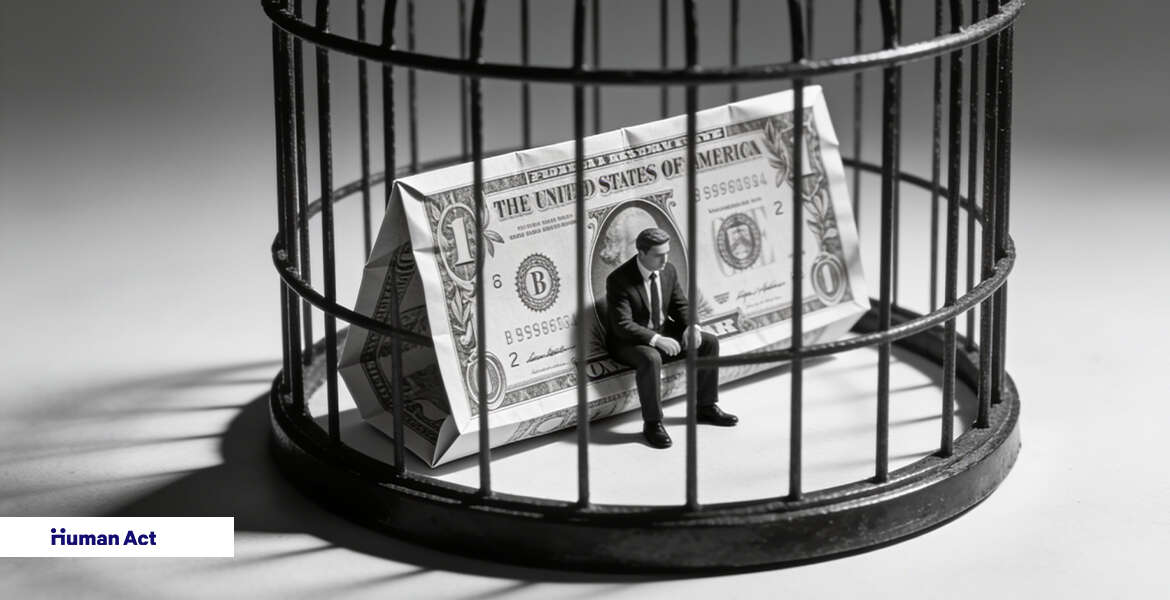
Do the Wealthy Also Suffer in an Unequal System?
When we talk about economic inequality, we usually focus on people at the bottom of society.
We discuss low wages, rising living costs, the shrinking middle class, and the barriers that make it difficult for many people to improve their lives in an unequal system. However, there is a question that deserves attention: Do rich people also suffer in an unequal system?
At first, this idea may sound strange. How can people who own most of the wealth suffer from a system that seems to benefit them? But when we look beyond individual wealth and focus on society as a whole, the effects of economic inequality become more complicated.
Can Money Buy Protection?
Many people think the wealthy can completely protect themselves from society’s problems. They live in gated communities, hire private security, maintain complex financial structures, and have access to the best services money can buy.
While wealth can provide comfort and protection, it cannot fully separate people from the society around them. Even in an unequal system, the wealthy remain connected to the social and economic conditions around them.
When the gap between rich and poor becomes too large, trust begins to disappear. History shows that societies with extreme inequality often become unstable. For wealthy people, this can create a constant sense of worry. They may face public anger, political backlash, public resentment, social unrest, and growing social tensions.
They also live in societies where public services such as schools, healthcare, and infrastructure may be neglected. When large numbers of people feel the system is unfair, confidence in social and political institutions begins to weaken. The wealthy are not separate from this reality. They live in the same society, and they depend on the same basic social order.
There can also be a psychological cost. Extreme inequality often creates a culture of constant competition and fear. Many wealthy people feel pressure to protect their status and maintain their position. They may worry about losing what they have or about growing social tensions around them. As a result, a life filled with material comfort can still feel limited and stressful. In some ways, the systems built for protection can become a kind of cage.
When Inequality Hurts Growth
There is also a strong economic reason why economic inequality can hurt the wealthy. Businesses need customers. Companies grow when people have enough money to buy goods and services. When most wealth is concentrated in the hands of a small group, many families have little money left after paying for basic needs. This limits economic growth. Economic inequality can reduce consumer spending and weaken long term market demand.
When wages remain low and wealth stays concentrated at the top, the market becomes weaker. By contrast, a strong middle class with good purchasing power helps businesses succeed. For this reason, wealthy business owners and investors also benefit from a society where more people can afford to participate in the economy. Actions that increase profits in the short term, such as keeping wages low or avoiding taxes, may harm long-term economic growth.
Poverty also creates costs that affect everyone. Higher crime rates, poor public health, economic instability, and lost human potential all place pressure on society. Even if wealthy people do not experience these problems directly, they still feel the effects. Money that could be invested in innovation, infrastructure, or new opportunities is often spent on security measures and legal protection.
Wealth Redistribution as a Practical Solution
The phrase “wealth redistribution” often makes some people uncomfortable. However, it can also be seen as a way of keeping society healthy and stable. Just as homeowners pay taxes for services that protect their communities, wealthy individuals benefit when policies reduce extreme inequality.
We recognize and appreciate philanthropists and organizations that understand this reality. Many have used their resources to support important social causes. However, charity alone cannot solve problems that are built into the system. Lasting change requires structural solutions, including effective wealth redistribution policies. These include fair taxation, living wages, and universal access to education and healthcare.
If the goal is a stable society where businesses can grow and people feel invested in the future, then reducing inequality is not simply an act of generosity. It is a practical investment in social and economic stability. When more people are financially stable and able to participate in the economy, society becomes stronger and more secure for everyone.
Inequality & Innovation Problem
Extreme inequality can also reduce innovation. When wealth and power are concentrated in a small number of hands, large established companies often gain more control over markets. This can make it harder for new ideas and new businesses to succeed. In an unequal system, access to opportunity is often concentrated among a small group of people.
A fairer society gives more people access to education, resources, and opportunities. This creates an environment where talented individuals from different backgrounds can contribute new ideas. Investors and business leaders should benefit from a dynamic economy filled with creativity and competition. When too much wealth is concentrated at the top, society may lose future scientists, artists, entrepreneurs, and innovators who are struggling just to meet their basic needs.
Why the Wealthy Are Not Immune
Saying that wealthy people also suffer from inequality does not mean their struggles are the same as those faced by people living in poverty. Poverty remains far more severe and urgent. However, wealth does not make people immune to the effects of an unequal system.
When economic inequality becomes extreme, everyone is affected by the consequences. Social trust declines, political tensions grow, and economic stability becomes harder to maintain. While the poor suffer most directly, the wealthy also face the costs of living in a more divided and less secure society.
Conclusion: The Real Paradox of Wealth
The central paradox is that a system that appears to benefit the wealthy can also undermine their long-term interests. Greater wealth may provide comfort and opportunity, but it cannot fully shield people from social instability, weaker markets, and declining trust.
The question is whether the rich are completely protected from the effects of economic inequality. The evidence suggests they are not. A healthier, more stable society benefits everyone, including those at the top.
The paradox of wealth in an unequal system is that short-term advantages can come at the cost of long-term stability.
Sources
The Conversation / The Price of Inequality — Joseph Stiglitz / Market Place