How Does the Geography of Opportunity Determine Your Destiny?
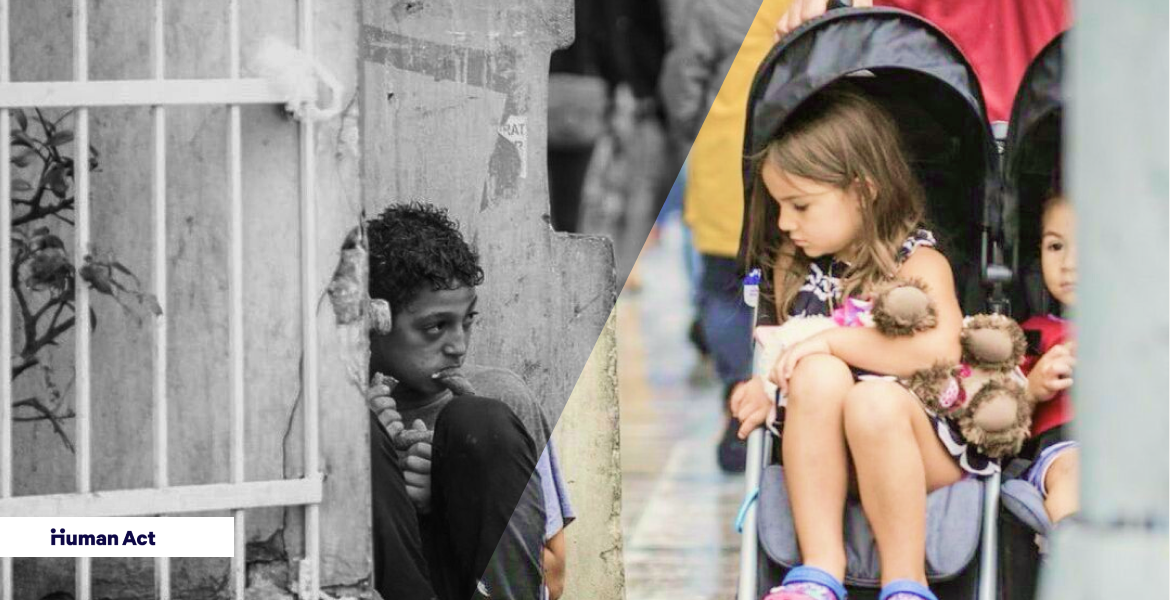
Where a person is born may say more about their future than almost anything they will ever do themselves. This idea is called the geography of opportunity, stating that the place where you grow up can affect your social mobility almost as much as your talent and hard work.
In the last ten years, scientists have studied this idea using huge amounts of real data, and the results are surprising. Let’s explore what they have found.
What Is the Geography of Opportunity?
As the name itself suggests, the geography of opportunity means your access to opportunities such as good schools, good jobs, healthcare, and helpful social networks depends largely on your place of birth and the geography of where you grew up.
Two children with the same skills can end up with very different lives, just because one grew up in a better neighborhood than the other. The economist Raj Chetty and his team studied this using tax records from millions of Americans. They found that people’s success as adults is closely linked to the exact neighborhood where they grew up. Sometimes even a few streets can make a big difference!
How Geography & Social Mobility Are Connected
Social mobility means the chance to move up or down the economic ladder compared to your parents. Chetty’s team found that a poor child’s chance of becoming rich later in life depends a lot on where they grew up. Things like school quality, family situation, and segregation in the neighborhood all play a role.
The OECD studied this too. They measured how many generations it takes for a poor family to reach the average income level in their country. On average, across 30 countries, it takes 4.5 generations. But this number changes a lot by country, from 2 generations in Denmark to 11 in Colombia.
The following factors show how strong the geography of opportunity really is.
1. Poor Neighborhoods Packed Together
When many poor families live in the same small area, crime tends to rise and services like healthcare get weaker. This lowers social mobility for the children who grow up there.
2. Mixed Neighborhoods
When rich and poor families live close to each other, poor children often get better schools, safer streets, more community resources, and more support. This can raise their chances later in life.
3. School Funding by Area
In many places, schools get money based on local taxes. This means richer areas often have better schools, which shapes social mobility more than parental effort or care. Not because parents there care more, but simply because of where they live.
4. Moving to a Better Area
Some governments help poor families move to richer neighborhoods. Studies show this helps the most when children move at a young age, since they spend more of their childhood in the new, better environment.
Inequality of Opportunity vs. Inequality of Outcome
There are two different ideas here: inequality of outcome and inequality of opportunity. Inequality of outcome just means some people have more money or wealth than others right now. Inequality of opportunity is really a question about social mobility: “Does everyone have a fair chance to get there in the first place?”
The World Bank created a tool called “the Human Opportunity Index” to measure this. The idea is simple. There are things you cannot control and should not decide your future, like where you were born, your family, or your gender. Only your own effort should matter. The World Bank studied many countries and found that a large part of the difference in things like education and health comes from where a child was born, not from how hard they worked.
Geography of Opportunity in Real Places & Policies
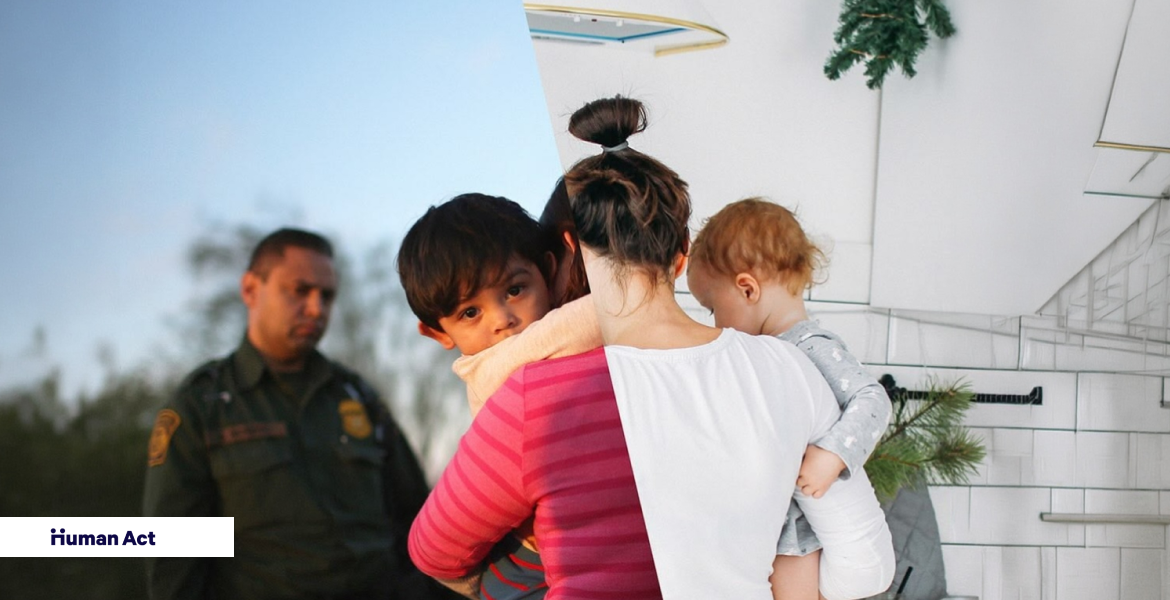
Numbers can feel far away, but the geography of opportunity becomes easier to see when we look at real cities and countries. Around the world, governments have tried different ways to change where children grow up. These attempts show how much location can affect a person’s future and their inequality of opportunity.
One clear example is Singapore. Most people there, about 80 percent, live in government-built housing. Since 1989, the government has used simple rules to stop one ethnic group from filling up a single building or area. This means children from different backgrounds grow up next to each other and go to the same schools. The goal was to give every child a similar environment and a similar chance at social mobility, no matter their background. This shows how a government can shape the geography of opportunity just by deciding how housing is built.
Why Geography of Opportunity Still Matters Today
Some people think that the internet and remote work have made location less important. In some ways, this is true. Today, a talented person almost anywhere can study online or get a remote job. But location still matters a lot. Good roads, strong institutions, safety, and helpful professional networks are still found mostly in certain cities and regions.
Chetty’s research also looked at families who moved to better neighborhoods. He found that children who moved when they were young later earned more money and were more likely to go to college. But if the family moved when the child was older, this effect was much smaller. This tells us that the geography of opportunity works best when it starts early in a child’s life.
What Is Our Duty Then?
If inequality of opportunity comes mostly from geography, then good policies can help fix it. The OECD report suggests some ideas:
- Spending more on young children’s education,
- Giving schools fair funding,
- Building housing that people can afford,
- And helping poor families move to better neighborhoods.
It also shows that mixing people from different income levels in the same neighborhoods and schools helps social mobility more than just giving people extra money. This works because it changes the environment children see every day, not just their family’s bank account.
Conclusion
The geography of opportunity is not impossible to change, but it is a strong and often ignored force. Geography is more than a background detailm, mainly one of the biggest drivers of social mobility and why some people succeed and others do not.
This is why fixing inequality of opportunity means more than just giving families more money. It also means changing how neighborhoods, schools, and housing are built and shared. Understanding this inequality of opportunity is the first step toward building a fairer world for everyone, no matter where they were born.
Sources
The Singapore Government Website / OECD Regional Development Working Papers