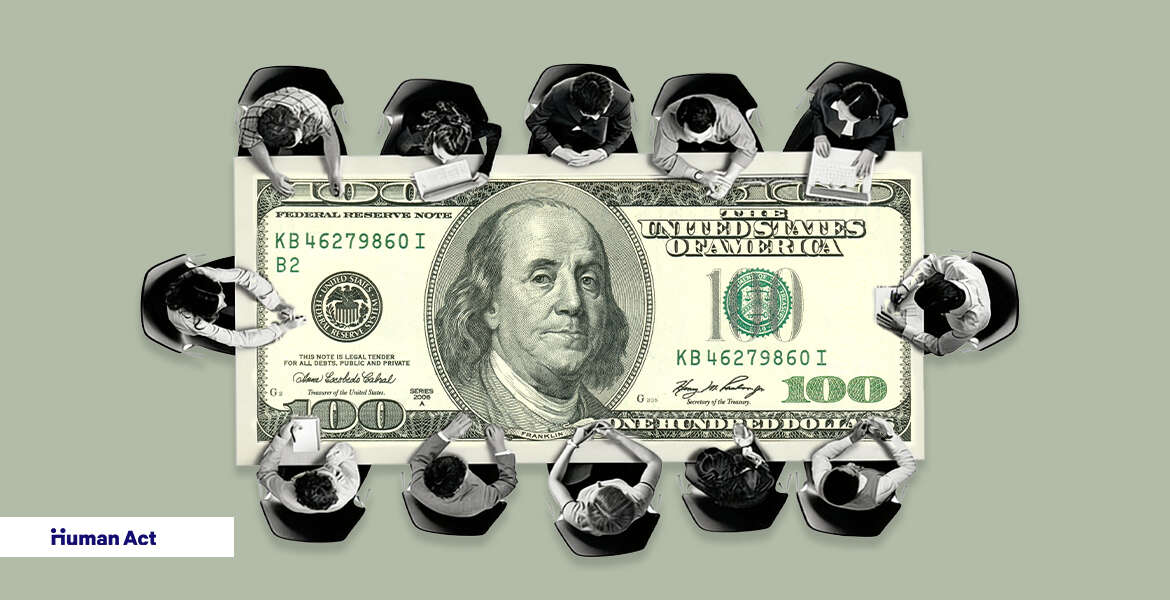
How Does Wealth Inequality Threaten Democracy?
Democracy is built on a simple but powerful idea: every citizen should have a voice in shaping the future of the society.
In theory, political equality means that each person’s vote carries the same weight, regardless of income, status, influence or a personal background. But it is undeniable, that ideal becomes harder to sustain when economic resources are distributed unevenly.
This is where wealth inequality becomes more than just an economic issue, it becomes a political one. The greater the gap between the rich and everyone else, the more pressure is placed on democratic institutions and social cohesion.
In many countries today, concern about the relationship between wealth inequality and democracy is growing. While some level of inequality may exist in every market economy, extreme disparities in wealth can distort the political system in ways that favor a small elite over the broader public.
The Link Between Wealth & Political Power
One of the most direct ways wealth inequality threatens democracy is by increasing the political power of the wealthy. In democratic systems, all citizens are supposed to have equal political rights. However, people with significant wealth often have more opportunities to shape political outcomes.
They may fund campaigns, support lobbying groups, influence media narratives, or gain privileged access to decision-makers. Even when these actions are legal, they can create a political environment in which the interests of the wealthy are heard more clearly than the needs of ordinary citizens. Over time, this weakens the democratic principle of equal representation.
When policy decisions consistently reflect the priorities of those at the top, many citizens begin to feel that the system no longer works for them. This perception can reduce confidence in democratic institutions and create a sense that politics is controlled by money rather than by voters.
Eroding Trust in Institutions
A healthy democracy depends on trust. Citizens need to believe that institutions and public agencies operate fairly and serve the public good. But high levels of wealth inequality can undermine that trust.
When people see a society in which the wealthy seem to live by different rules, where financial misconduct goes unpunished, tax avoidance is widespread, or public services decline while elite wealth grows, they may conclude that the system is fundamentally unjust. This feeling is especially strong when economic hardship increases for many while opportunity narrows.
As trust declines, democratic participation often suffers. Some people withdraw from civic life because they feel powerless. Others become more vulnerable to anger or anti-system narratives. In both cases, the foundation of democracy becomes weaker. A political system cannot remain stable for long if large segments of the population believe it is unfair or captured by powerful interests.
Polarization & Social Fragmentation
Extreme wealth inequality can also intensify social divisions. When the gap between rich and poor grows too wide, people may begin to live in separate realities, economically, geographically, and culturally.
Wealthier groups may move into isolated neighborhoods and disengage from shared public institutions. On the other hand, poorer communities may experience declining investment and reduced access to quality services.
This separation makes it harder to sustain a shared sense of citizenship, which is essential for democracy. Democratic life depends on the idea that people, despite their differences, are part of the same political community and have some common interests. But when inequality becomes severe, solidarity can erode.
Social fragmentation often fuels political polarization. Citizens may become less willing to compromise and more receptive to leaders who exploit fear or resentment. In such conditions, democratic debate can shift away from constructive problem-solving and toward division and conflict.
The Rise of Populism & Democratic Instability
When people feel excluded from the benefits of the economy and ignored by political elites, they often look for alternatives. In societies marked by high wealth inequality, this can create fertile ground for populist movements and democratic instability.
Populist leaders often gain support by arguing that the political system has been captured by corrupt elites. In some cases, this criticism reflects real frustrations rooted in economic and political exclusion. However, while populist movements may begin by appealing to democratic dissatisfaction, they do not always strengthen democracy. Some instead weaken institutions, attack the press, challenge judicial independence, or undermine checks and balances.
This is why the relationship between wealth inequality and democracy is so important. When inequality grows unchecked, it can increase frustration and disillusionment. If democratic institutions fail to respond effectively, citizens may turn to leaders who promise change but weaken democratic norms in the process.
Policy Capture & the Cycle of Inequality
Perhaps the most dangerous consequence of wealth inequality is that it can reproduce itself through politics. As wealthy individuals and corporations gain more influence, they can help shape policies that protect or expand their economic advantages. This is sometimes called policy capture.
For example, tax systems may become less progressive, labor rights may weaken, public investment may decline, and regulations may be designed in ways that benefit established interests. These policy choices can increase inequality even further, creating a cycle in which economic power leads to political power, and political power then reinforces economic power.
This cycle is deeply damaging to democracy because it moves society away from broad representation and toward concentrated influence. Citizens may still vote, but if major decisions are increasingly shaped by unequal power behind the scenes, the democratic system becomes less responsive and less legitimate.
Reclaiming Democracy from Concentrated Wealth
The intertwined nature of wealth inequality and the threats to democracy is a sobering reality. However, recognizing the problem is the first step towards finding solutions. Reclaiming and strengthening democracy in the face of concentrated wealth requires a multi-faceted approach:
- Campaign Finance Reform: Implementing stricter regulations on political donations and lobbying can help level the playing field and reduce the influence of big money in politics.
- Promoting Transparency: Greater transparency in political funding and policy-making can help citizens understand who is influencing decisions and why.
- Strengthening Social Safety Nets and Public Services: Investing in universal healthcare, quality public education, and affordable housing can help reduce wealth inequality and ensure a more equitable distribution of opportunities.
- Progressive Taxation: Reforming tax systems to ensure that the wealthiest individuals and corporations pay their fair share can generate revenue for public services and reduce economic disparities.
- Empowering Citizens: Fostering civic education, supporting grassroots movements, and ensuring easy access to voting can help re-engage citizens and amplify their collective voice.
Conclusion
The health of a democracy is measured not just by its institutions, but by the lived experiences of its citizens. When wealth inequality grows unchecked, it hollows out the democratic promise, leaving many feeling disenfranchised and unheard.
By addressing the root causes of economic disparity and actively working to democratize influence, we can build a representative and truly democratic society for all.