What Is the Attention Economy?
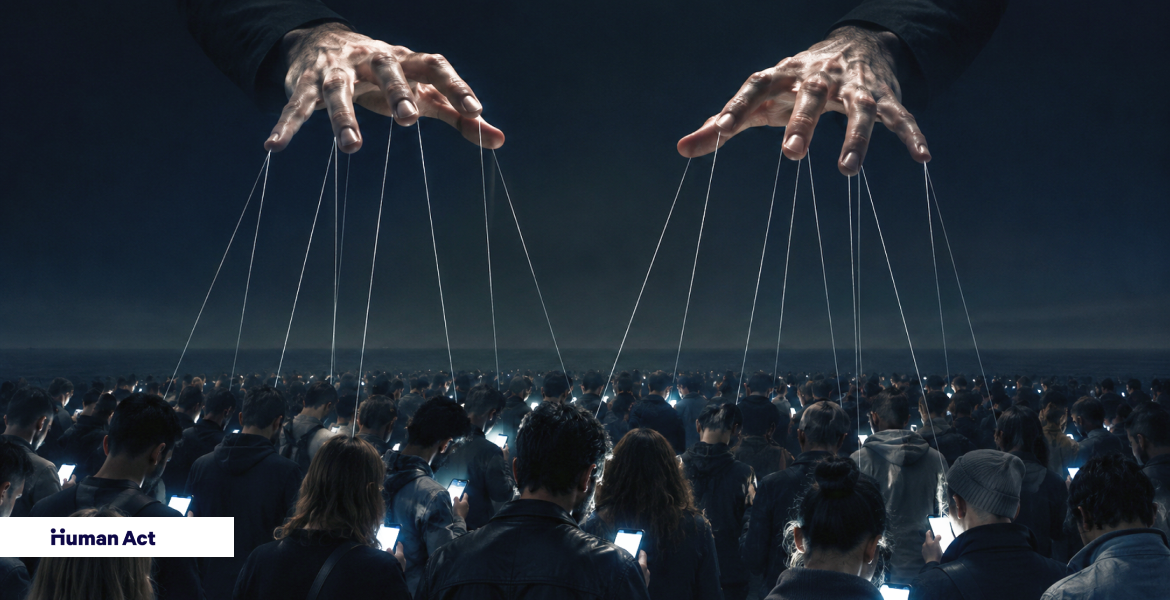
Every time your phone buzzes, an app is asking for your time. This is actually the attention economy at work.
The attention economy is not just limited to your mobile phone screen. It also shapes the digital divide, the gap between people who gain from technology and people who do not.
In this blog, we will explain both in plain words.
What Is the Attention Economy?
The attention economy is a simple idea. Attention is what you give to something when you look at it, listen to it, or think about it. You only have some of it, and companies want as much of it as they can get. If we want to explain the attention economy in one line:
When there is too much to look at, your focus becomes the thing everyone is fighting for.
Many apps are free, but you still pay with your time. The company shows you ads, and advertisers pay the company. The longer you stay, the more money it makes.
The idea is not new. In 1971, a thinker named Herbert Simon said that too much information leads to too little attention. He was right. Today, billions of people spend hours every day in apps built to keep them there.
How Attention Became the World’s Most Valuable Currency
You can earn more money or copy a photo a million times, but you cannot make more hours in a day. Everyone gets the same 24 hours. Apps, games, shows, and advertisers all want a piece of them. That makes attention a kind of currency with a limited amount. It can be counted or sold, and once it is spent, you cannot get it back.
Companies are very good at counting attention. They track what you tap, how long you watch, and when you stop scrolling. Then they use that information to guess what will keep you looking next. Advertisers pay for those data. The better a company can measure attention, the more that attention is worth. This is why the attention economy rewards the companies that collect the most data about people.

How Do Tech Companies Turn Attention Into Money?
Here is how the attention economy works on social media platforms:
- You use the app for free.
- The app records what you do.
- Advertisers pay to show ads to people like you.
- The money pays for new ways to keep you using the app.
This is the simple attention economy business model. Apps use a few more tricks to make it work:
- Endless scrolling and autoplay mean there is no good place to stop.
- Notifications pull you back in.
- Likes and streaks give small rewards that feel good.
- Feeds show posts that stir up strong feelings, because those get more clicks.
This model has built some of the biggest companies in history, but the costs are not shared fairly!
Those Who Own Attention vs. Those Who Control It
For a long time, the digital divide meant one simple thing: some people had the internet, and some did not. So much has changed, but even after all this time, the gap still remains. The ITU estimated that about 2.2 billion people were still offline in 2025. Now there is a second gap. The attention economy has added a new layer of digital inequality. It is about who gains from the time people spend online.
On one side, there are a few big companies, mostly in the United States and China. They own the apps, the data, and the ad networks. On the other side, there are billions of people who give their time and data for free. In poorer countries, apps often put less effort into safety, privacy, and local languages, while the money flows to companies far away.
The Problem Is Domestic Too!
Digital inequality also exists inside countries. People with more money and time can pay for apps without ads, use phone settings to limit their usage, and build habits that protect their focus. People who work long hours, or who use one cheap phone with a few free apps, have fewer choices. For them, the internet can shrink to a handful of apps made to keep them hooked.
This is how the digital divide gets wider. Internet access alone does not help much when you have no control over how apps use your time. That is another form of digital inequality.
Children and teenagers are at special risk. They are still learning about self-control and digital literacy, but the apps they use are built by large teams of experts.
AI Is Accelerating the Attention Economy!
AI makes it cheaper and easier to grab attention. Feeds can change for each person in real time, and content can be made almost for free. Some chatbots are even built to feel like friends, so they compete for your feelings as well as your time.
AI also makes the digital divide wider. Big companies like Google, Meta, Microsoft, Amazon, and ByteDance have huge amounts of data and powerful computers. When AI tools, skills, and computers stay in a few rich places, digital inequality grows.
At the same time, a flood of AI-made content makes it harder to know what is true. People who had less chance to learn how to check information are hurt the most.
How to Reclaim Your Attention in This Mess
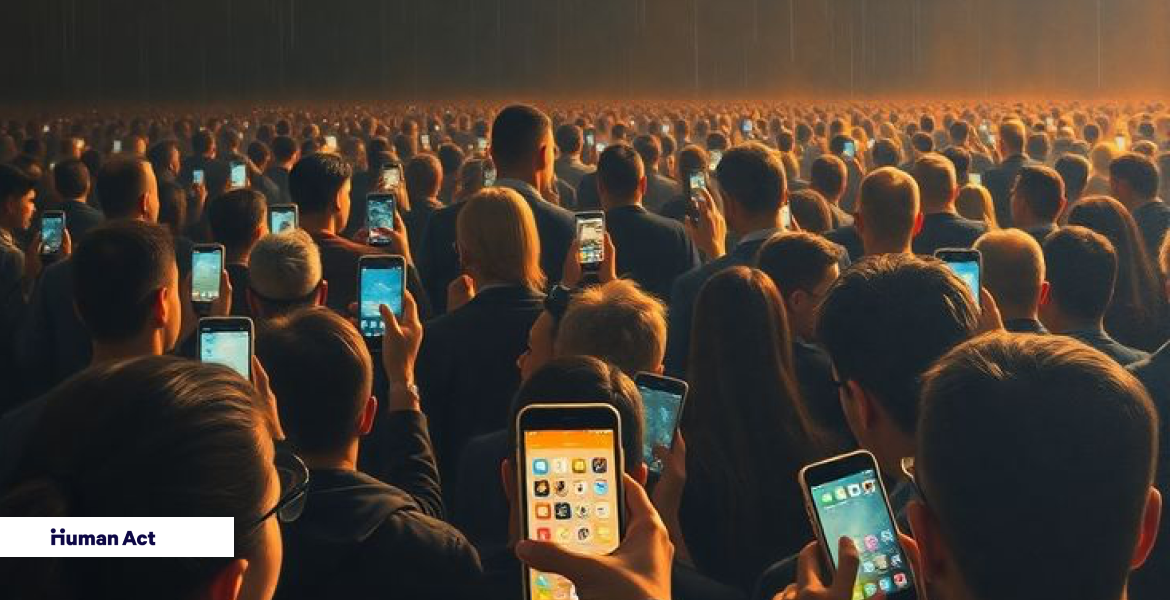
These small steps can boost your digital well-being and help reclaim your attention:
- Turn off notifications you do not need.
- Set daily time limits for apps.
- Switch your screen to black and white. Apps look less fun.
- Move social apps off your home screen.
- Check your feeds at set times instead of every time something pings.
- Keep your phone out of the bedroom.
We know that personal habits cannot replace structural and legal reforms. However, when we lack the power to bring about such changes, we must prioritize such self-care strategies!
Closing the digital divide also needs new rules. Companies should be open about how their feeds work. There should be limits on tricks that hook people, better protection for children, and more support for digital skills and cheap internet.
Conclusion: Your Attention Is Worth Protecting!
Companies turn your focus into money, and most of the gains go to a small group. The digital divide now controls not only who benefits from time online but also who can get online at all. As AI gets better at holding attention, digital inequality will keep growing unless rules, app design, and personal habits all change.
Closing the digital divide means treating attention as something worth protecting. It also means tackling digital inequality at its roots. We need fair access, real skills, fair rules for companies, and honest apps that respect people’s time.
Sources
Cousera / The Institute for Digital Transformation / Arxiv / GLOBIS Insights