Why Are Billionaires So Obsessed with Media Ownership?
Billionaires always crave media ownership obsessively, but what is the use?
One day a billionaire is making money in tech or finance, and then the other day, the same person buys a newspaper, a social media app, or a big media company out of nowhere!
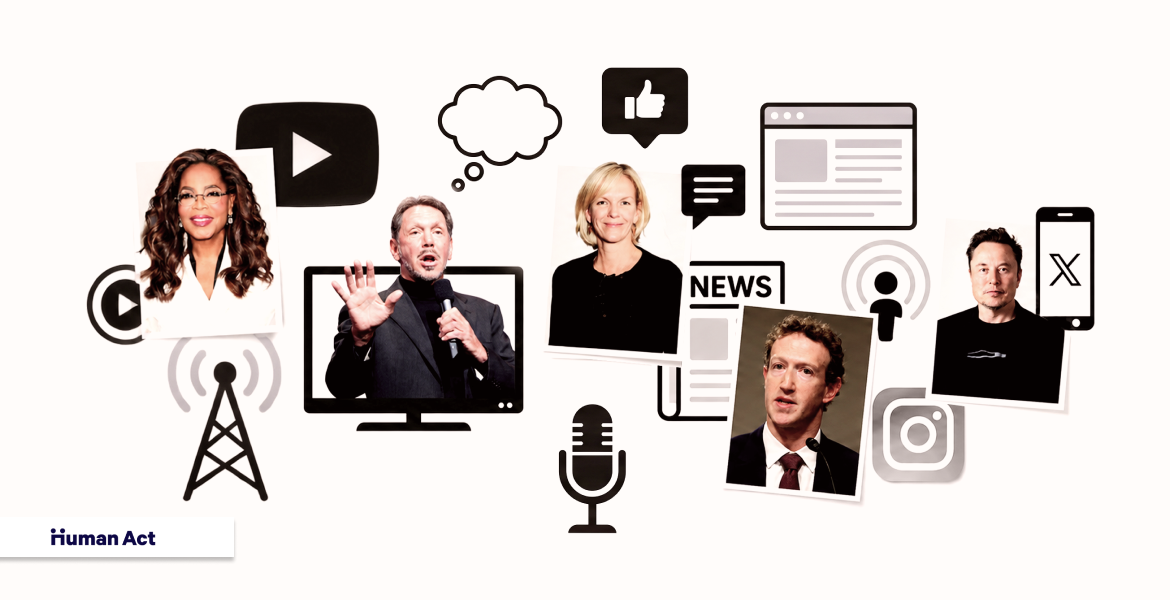
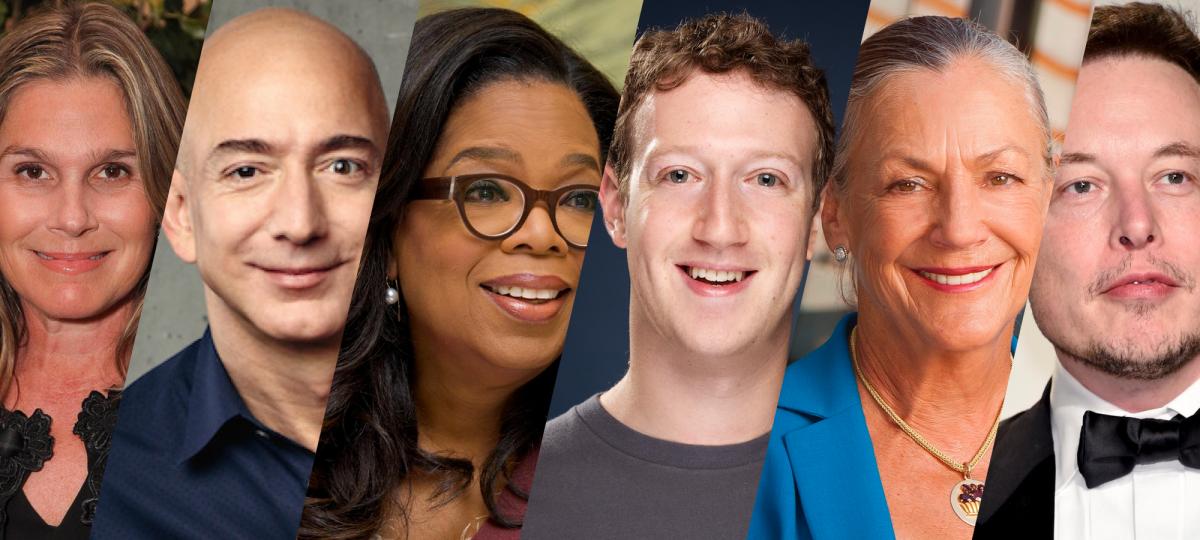
Elon Musk bought “X” (formerly Twitter), Jeff Bezos owns “The Washington Post,” the Murdoch family runs “Fox” and “News Corp,” and the Ellison family now controls “Paramount Skydance,” which owns CBS. In fact, 9 out of 10 richest men in America work in media or own media companies. People often call this pattern billionaire media ownership.
So, why do rich people from totally different industries all want to own media channels? Here are the main reasons behind this trend.
1. Media Ownership & Political Power
To really understand billionaire media ownership, you have to think about power first, not money. Media shapes what people think. It decides which stories must be narrated and which must get ignored. It can even change how people vote.
If you own a big newspaper or a popular news app, you have a kind of power that money alone cannot buy. This is the power to shape what millions of people believe, where billionaire media ownership connects most closely to politics. In fact, when we talk about billionaires and media, this is usually the first thing people think of. Poynter and PBS report big media companies often bend to political pressure, especially close to elections. This worries people who care about honest, independent news.
2. Media Ownership Protects Other Businesses
Some billionaires who own media also own much bigger companies. Those bigger companies can get hurt by government rules, taxes, or bad news stories. Therefore, media ownership is not really about news, but it is more like a shield. It protects the owner’s other businesses from criticism. This kind of billionaire media ownership works almost like insurance.
For example, a person might own a tech company and a social media app at the same time. That lets them connect data, ads, content, and sales together. This gives them even more control over both businesses.
3. Media Ownership Makes Money!
Media ownership can also be a smart business move, even when it does not look like one. Struggling news companies are often cheap to buy. Even if a newspaper does not make much money, it can still be a good deal for a billionaire. In many cases, media ownership is not a normal business choice. It is more like a long-term bet, or even a personal hobby.
Here, the link between billionaires and media is mostly about money, not politics. At the same time, the news industry keeps getting smaller. According to data from Challenger, Gray & Christmas, more than 8,000 US journalists have lost their jobs since 2022. This shows most billionaires are not buying media just for quick profit. They chase long-term goals and even shape labor market patterns.
 4. Strong Personal Brand & Social Status
Owning a respected paper like “The Atlantic” or “The Washington Post” gives the wealthy a kind of social status that money cannot buy. This type of billionaire media ownership is less about profit and more about personal brand image. It also becomes part of the owner’s legacy, something people remember them for after they are gone.
For example, Laurene Powell Jobs owns most of “The Atlantic” through her organization, “The Emerson Collective. “The Atlantic” is one part of a larger group of investments she supports in media, education, and social causes. Another example is Patrick Soon-Shiong, a billionaire who made his money in biotech. He bought “The Los Angeles Times” in 2018. Since then, the paper has faced internal conflicts, including public disagreements between journalists and ownership over editorial decisions.
5. Local Business Interests
Some billionaires buy local news outlets in the same city where they run their other businesses. This is another clear example of billionaires and media working together. For instance, John Henry owns the “Boston Red Sox” baseball team, and he also owns “The Boston Globe,” the city’s main newspaper!
When one person owns both a local newspaper and other local businesses, it can create a conflict of interest. This is what happens with billionaire media ownership at the local level. It gets tangled up with things like stadium deals, tax breaks, or building permits that the same owner may benefit from. As a result, local reporting can end up less independent, since the newspaper is less willing to criticize its own owner’s other interests.
6. Fewer Voices, More Control
Media ownership is becoming more and more concentrated in fewer hands. A FAIR report found that more than half of all U.S. visits to major news websites, between December 2024 and November 2025, went to sites controlled by just seven families or big companies!
This kind of billionaire media ownership raises a real risk. News starts to sound the same everywhere. The connection between billionaires and media becomes dangerous when it reduces the number of different opinions people can hear. According to CNBC, in one famous case, dozens of local TV anchors, all owned by the same company, read the exact same script about fake news on air at the same time.
The Real Cost of Billionaire Media Ownership
Billionaire media ownership is an acceptable trend. When a small group of rich people control what millions of people read and believe, that is a real problem. It puts too much power in too few hands, which is not healthy for any society.
Yes, some billionaires have saved newspapers that were about to close down. That part is true and worth saying, but saving a newspaper is not the same as keeping it free and independent. In many cases, this kind of media ownership has caused real harm. Editors feel pressure, stories get killed before they are published, and important reports quietly disappear. We have already seen owners pay off powerful politicians to end lawsuits or let political pressure shape what gets printed.
This is bigger than just a media ownership problem. When only a few people control the news, the people who already have the most power get even more power to shape what the public thinks. Meanwhile, regular people, the ones who need fair and honest news the most, lose the most when so few people own the news. That is why billionaire media ownership needs to be questioned, not quietly accepted.
Conclusion: Media Ownership Generates Power!
The biggest reason billionaires love owning media comes down to power. It gives them political power, protection for their other businesses, financial opportunity, social status, and a lasting legacy. In a nutshell, they need the power to shape and control the narrative.
Independent, nonprofit, and community-based news outlets still exist, but they need more support. Readers can choose where they get their news from, and they can ask challenging questions about who owns the outlets they trust. The more people understand who controls the news and why, the harder it becomes for that power to go unchecked.